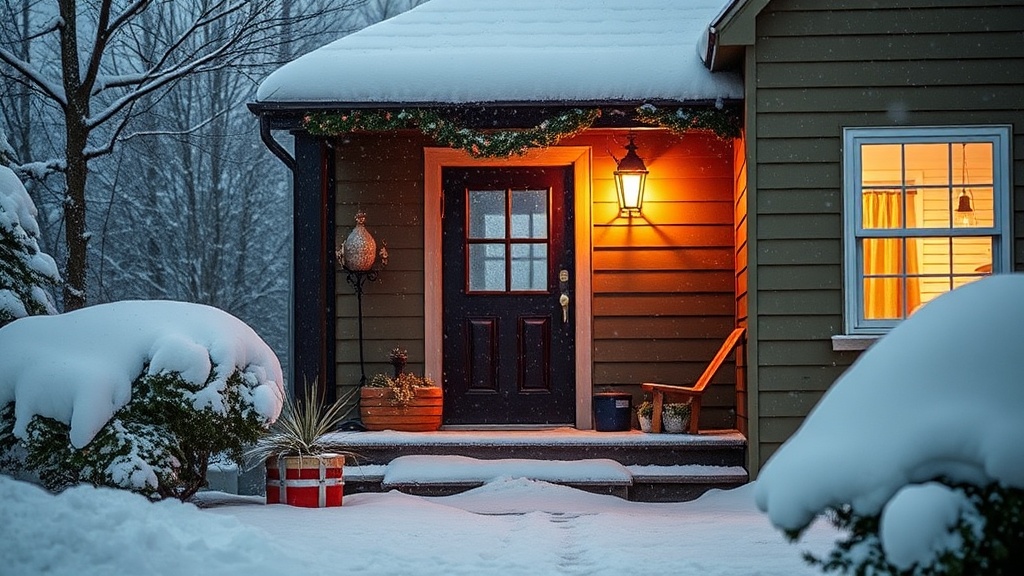
Getting Your Home Winter Ready in Miramichi

Winterizing Your Property Before the Snow Hits
People often think that preparing for a Miramichi winter is just about buying a bigger shovel or making sure the furnace is running. That's a mistake. If you wait until the first heavy snow hits the streets of Newcastle or Chatham, you're already behind. Real winter readiness in our community means looking at the structural and mechanical details that keep your heating bills from skyrocketing when the wind whips off the river. We're talking about preventative maintenance that actually makes a difference to your daily comfort.
Living in Miramichi means we deal with high humidity and fluctuating temperatures. One day it's slushy and damp, and the next it's bone-dry and freezing. This constant cycle can wreak havoc on a house if you aren't careful. We need to focus on keeping the heat inside our homes and protecting our property from the elements that define our local winters.
Where should I check for drafts in my house?
The first thing you should do is a thorough walkthrough of your home's exterior and interior. Check the window seals and door frames. If you've lived in your house for a few years, those seals might have degraded. You can use a simple candle or even a lighter (be careful, obviously) to see if there's a flicker near window frames—that's a clear sign of a draft. It’s a small step, but it saves a lot of money on heating in the long run. If you notice a significant draft around a door, a simple weatherstripping kit from a local hardware store can solve the problem immediately.
Don't forget the attic and the basement. A lot of our homes in the Miramichi area have older insulation levels. If you can see light through your attic hatches, you're losing heat. Check your basement windows too—those old single-pane windows are heat magnets. Ensuring your furnace filter is changed regularly is also a big one. A dirty filter makes your system work much harder than it needs to, which is a problem when you're already trying to manage high heating costs during a cold snap.
How do I protect my pipes from freezing?
This is the part that keeps many of us up at night when the temperature drops below -20°C. You've likely heard stories about burst pipes in the middle of the night, and they aren't just urban legends. If you have pipes in uninsulated areas—like an attached garage or a crawlspace—you need to take action now. A common trick we use is to wrap exposed pipes in foam-based insulation sleeves. It’s cheap and effective.
Another thing to keep in mind is the exterior faucets. If you haven't drained your hoses and shut off the water to those outdoor taps, do it before the first hard frost. Leaving a hose attached can actually cause water to back up into the pipe and freeze inside your wall. If you have a hose bib that isn't insulated, consider getting a sturdy cover for it. It's a small detail that prevents a massive headache later. You can find more information on winterizing outdoor plumbing through the Government of Canada weather services to track when these freezes are actually arriving.
What maintenance should I do for my heating system?
Before you rely on your heat source for the next four months, get it inspected. Whether you're using wood, oil, or electricity, your system needs to be in top shape. If you use a wood stove, make sure your chimney has been swept recently. Creosote buildup is a real fire hazard, and we know how much our community relies on those cozy wood fires during a long winter. A professional sweep is always the safest bet.
If you're using oil heating, which is common for many of our neighbourhoods, make sure your tank is topped off. There's nothing worse than running low during a blizzard when the delivery trucks might be delayed by road conditions. Also, check your oil furnace's vent to ensure it isn't blocked by debris or bird nests. A clear vent ensures your system can breathe and function properly. For more general advice on home safety and maintenance, checking the National Fire Protection Association can provide great safety standards to follow.
Which areas of my yard need attention?
It isn't just about the house; it's about the land around it too. If you have a deck or a patio, make sure it's clean and free of debris. Leaves and twigs can trap moisture, which leads to ice buildup and rot. If you have heavy-duty garden furniture, it's a good idea to move it to the garage or a shed for the season. This prevents the weight of the snow from damaging your items and keeps your yard looking tidy.
Also, think about your walkways and driveways. If you have a long driveway, make sure you have a clear plan for snow removal. If you're using a salt spreader or a shovel, ensure they are easily accessible in your garage or shed. Being prepared for the first big snowfall is much better than scrambling to find your shovel at 6:00 AM when the roads are already being cleared. Our community relies on everyone staying safe and keeping their paths clear for neighbors and emergency vehicles.
A Checklist for Miramichi Residents
- Check Windows/Doors: Look for drafts and replace old weatherstripping.
- Insulate Pipes: Focus on basement and unheated areas.
- Outdoor Faucets: Drain hoses and use covers.
- Furnace/Heating: Change filters and check fuel levels.
- Chimney: Ensure wood stoves are cleaned and safe.
Taking these steps might seem tedious, but they are what separate a comfortable winter from a stressful one. We live in a beautiful part of the world, but we also live in a place that demands respect when the temperature drops. By being proactive, you're not just protecting your home; you're protecting your peace of mind.