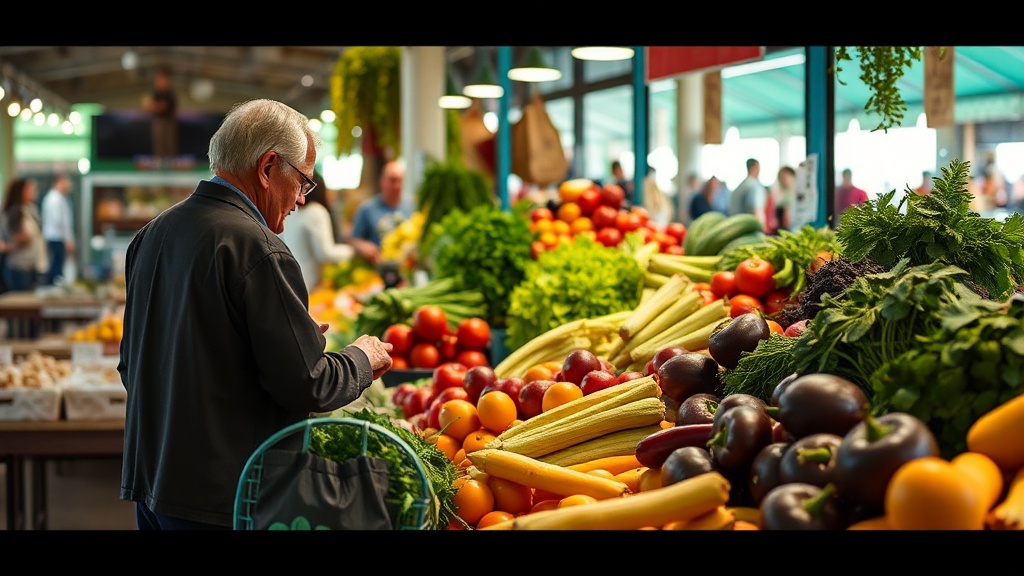
Picking the Best Seasonal Produce at the Local Market

Have you ever stood in front of a vegetable crate at the farmer's market, staring at a pile of berries or greens, and wondered if you're actually picking the best ones? Shopping at local markets in New Brunswick isn't just about grabbing a bag of potatoes; it's about learning how to identify peak ripeness so you don't waste your money on produce that wilts by Tuesday. This guide breaks down exactly what to look for in seasonal Atlantic Canadian produce to ensure you're getting the highest quality for your kitchen.
How Do I Know Which Fruits are in Season in New Brunswick?
You determine what's in season by tracking the specific harvest windows of the Atlantic provinces, which move from hardy root vegetables in early spring to soft berries in mid-summer. Because our growing season is shorter than much of the world, the window for peak flavor is narrow—and it moves fast.
In the early season (May and June), you'll find more hardy greens and perhaps some early radishes. As we hit the July and August stretch, this is the "golden era" for local berries. If you see blueberries or strawberries at the market during this time, grab them immediately. They are at their nutritional peak and taste significantly better than anything shipped in from overseas.
By late summer and autumn, the focus shifts toward the heavy hitters: squash, apples, and potatoes. This is when the flavor profiles become much deeper and more complex. If you want to keep track of what's growing where, the Canadian agricultural cycles are a great resource to understand how our climate dictates what hits the stalls.
Here is a quick reference for what to look for during the different stages of our local year:
| Season | Top Produce Picks | What to Look For |
|---|---|---|
| Early Summer | Strawberries, Salad Greens | Bright color, firm leaves |
| Mid Summer | Blueberries, Raspberries, Zucchini | Deep color, no bruising |
| Late Summer/Fall | Apples, Squash, Root Veg | Heavy weight, thick skin |
How Can I Pick the Best Berries Without Squishing Them?
The secret to picking perfect berries is using your eyes more than your hands. You want to look for fruit that shows deep, uniform color without any signs of juice leakage or mold at the bottom of the container.
When it comes to blueberries, look for a matte, waxy "bloom" on the skin—that's a natural protective coating that tells you they are fresh. If the berries look shiny or translucent, they might be overripe or starting to break down. For strawberries, avoid any that look "mushy" or have a white, unripened shoulder. A perfect strawberry should be red from tip to stem.
Don't be afraid to ask the vendor. Most local farmers are incredibly passionate about their crops and will gladly tell you which batch was picked this morning. It's a great way to learn the nuances of the market. If you're looking for a way to slow down and enjoy these local flavors, you might appreciate cozy corners for a rainy afternoon where you can enjoy a local treat.
Note: Always check the bottom of the pint. If there's liquid or a dark spot, the whole batch is likely compromised.
What Should I Look for in Root Vegetables and Tubers?
The best way to pick high-quality root vegetables is to check for weight and firmness. A heavy potato or carrot means it's full of moisture and starch, whereas a light, hollow-feeling one has likely dried out in storage.
For potatoes, look for smooth skin. If you see green patches, that's a sign of light exposure which produces solanine—a bitter compound you want to avoid. For carrots and beets, the tops are a great indicator. If the greens are still attached, they should be vibrant and not wilted. If the greens are limp and yellow, the vegetable was likely pulled from the ground too long ago.
When buying onions or garlic, the skins should be tight and papery. If the skin is peeling off easily or feels soft, the bulb is likely rotting inside. It's a small detail, but it makes a huge difference in your cooking.
- Potatoes: Firm, heavy, and no green tint.
- Carrots: Vibrant tops (if available) and a snap-able core.
- Onions: Dry, tight skins with no soft spots.
- Garlic: Hard bulbs with no sprouting signs.
How Do I Store Local Produce to Make It Last Longer?
Proper storage depends entirely on the type of produce you bought, but the general rule is to keep your "wet" produce and "dry" produce separate.
Berries are delicate. Don't wash them until you're ready to eat them—moisture is the enemy of a berry's shelf life. Keep them in the fridge in a breathable container. On the other hand, things like potatoes and onions actually prefer a cool, dark, and dry pantry. Just don't store them together; the moisture from the onions will make your potatoes sprout much faster than usual.
If you find yourself with a bounty of summer squash or greens, consider blanching and freezing. It's a way to extend that local flavor long after the market season has cooled down. This is a great way to practice living a richer life by making the most of what our region provides.
The texture of your produce tells a story. If a cucumber feels bendy or soft, it's past its prime. If a bell pepper has a wrinkled-looking skin, it's lost its hydration. Learning these tactile cues is what separates a casual shopper from a local pro.
One thing to keep in mind is that "perfection" at a local market looks different than at a big-box grocery store. You might see a slightly odd-shaped carrot or a bruised apple. In the world of local farming, these "imperfect" items are often the most flavorful—they just don't have the standardized look of mass-produced food. Embrace the odd shapes; they're usually the best part of the harvest.
When you're out at the market, take a second to talk to the people behind the stalls. They aren't just selling food; they are selling the result of a whole season's worth of work. A quick question about how to best cook a certain type of squash can often lead to the best recipe tips you'll ever get.
Steps
- 1
Arrive Early for the Best Selection
- 2
Check for Seasonal Indicators
- 3
Ask the Farmers Directly
- 4
Inspect for Texture and Color